Pedicure Rituals
Winter Feet Pictures: Tutorial, Poses and Technical Tips
By Eva · Published 10 September 2026 · Updated 10 September 2026 · 5 min read
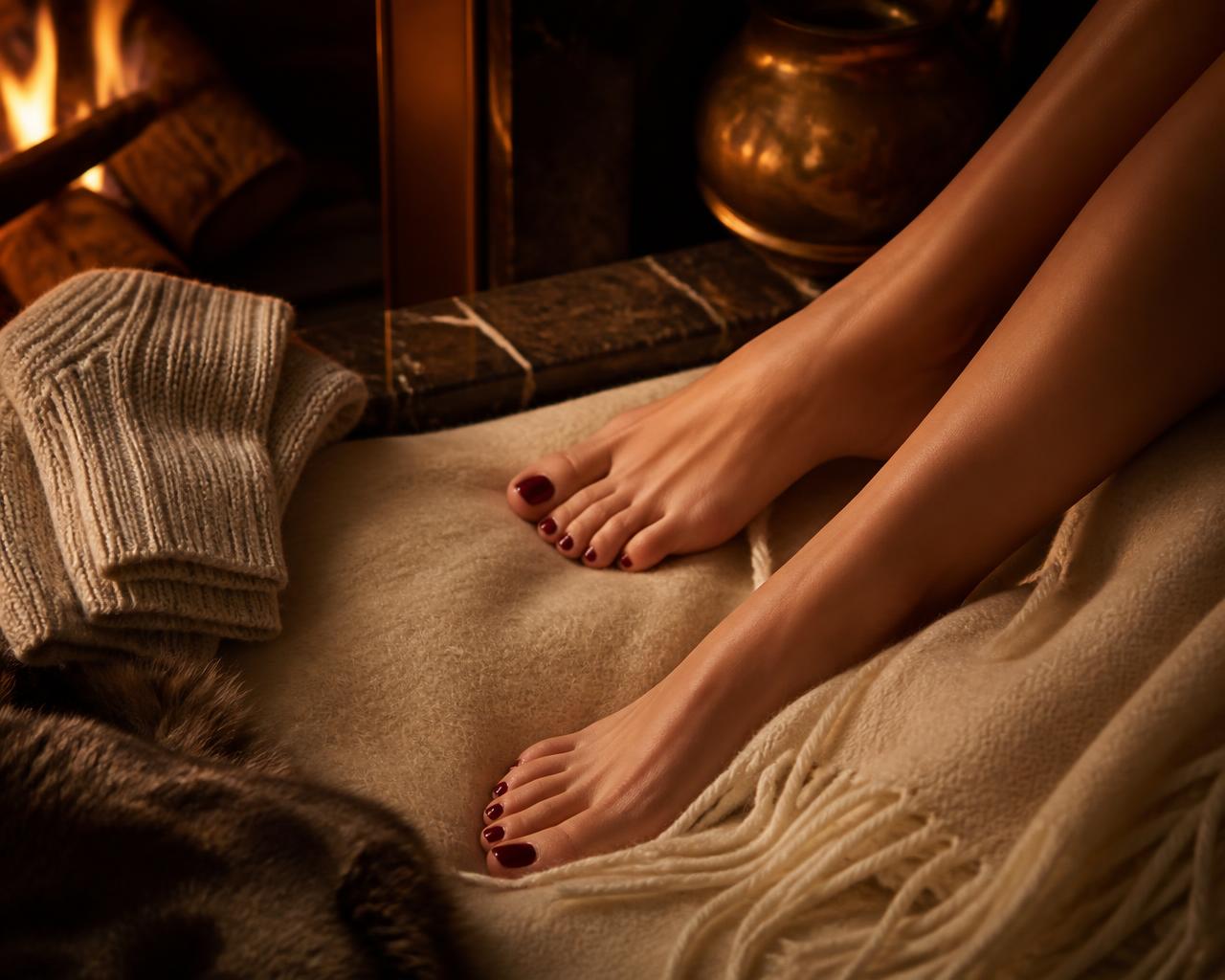
Winter is the least forgiving season for feet and the most beautiful one to photograph them in. Cold air dries the skin, boots mark the instep, and central heating leaves heels matte within a week. But winter also gives the warmest light of the year — a low sun through a window at three in the afternoon, a fire that turns every edge amber — and the richest textures: cashmere, wool, sheepskin, thick socks half pulled off. This tutorial covers the preparation the season demands and the poses that use what it offers.
Preparing winter skin: the two-week rule
Winter skin needs a fortnight of preparation, not an evening. Two weeks before any session, start a nightly routine: a urea-based cream at ten per cent on heels and the outer edge of the foot, cotton socks over it, every single night. Urea rebuilds the skin's water reserve in a way that plain shea butter cannot, and a camera reads that difference immediately as an even tone instead of a chalky one.
File the heels lightly once a week, never more. Winter tempts you to sand aggressively because the callus builds faster, but over-filing creates a floury surface that scatters light and looks worse on camera than the callus you removed.
Avoid tight boots on the day, and never shoot within ninety minutes of taking off socks. Elastic marks around the ankle and the instep stay visible far longer in cold weather because circulation is slower.
Hydrate the day before as well as the skin: dehydrated skin photographs grey under warm light, and no amount of oil fixes it on the surface.
Winter light: white balance is the whole game
Firelight and warm bulbs sit around 2000-2700K, and your camera will try to correct them into something greyish and lifeless. Set white balance manually — around 3200K keeps the amber without turning the skin orange — or shoot RAW and set it in post while looking at the nail lacquer, which is the most reliable colour reference in the frame.
Never mix a fire and an overhead LED. Two colour temperatures in one frame make skin look blotchy in a way no retouching corrects cleanly. Switch the ceiling off and let one source win.
The best natural winter window is between 14:00 and 15:30, when the sun is low enough to enter deeply. Sit within a metre of the glass, feet turned so the light rakes across the top of the foot rather than hitting it head-on: raking light is what reveals the arch.
Use a cream throw or a sheet of white paper on the shadow side as a reflector. Winter contrast is high indoors and one bounce is usually the difference between moody and simply dark.
Six winter poses that always work
1. Feet crossed at the ankle on a cashmere blanket, camera at blanket level. The fabric fibres catch the light and frame the foot without any styling effort.
2. One wool sock half pulled off, caught at the heel, the other foot bare. The contrast between covered and uncovered is the most quietly suggestive image winter offers.
3. Soles towards the fire, shot from behind and slightly above. Warm rim light along the edge of the sole, everything else in shadow.
4. Feet on a windowsill, backlit, shot as a near-silhouette with a bounce filling one per cent of shadow. The season's best minimalist frame.
5. Toes emerging from under a heavy duvet, top-down. Read the composition as negative space: mostly fabric, one small area of skin.
6. Feet in sheer nylon slipped into a fur-lined slipper, shot from the side at low angle. This is where winter and my nylon work meet.
Colour, styling and post-production
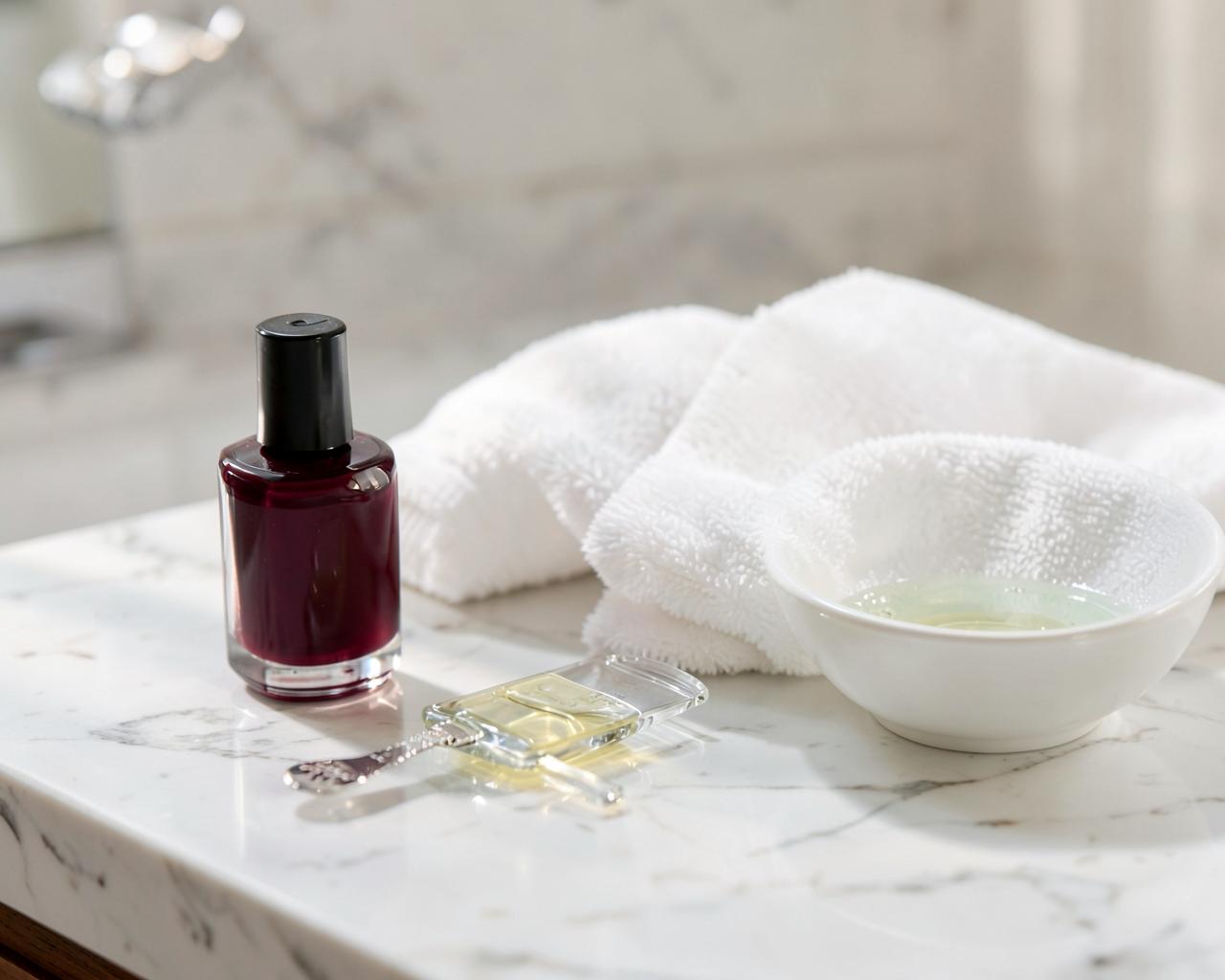
Winter lacquer wants depth: deep burgundy, oxblood, black cherry, or a mushroom nude. Bright coral and pastel read as out of season and, under warm light, shift colour unpleasantly.
Style with texture, not with objects. A folded knit, a fringe of a throw, a sheepskin edge — three materials maximum in a frame, all in the cream-to-brown range so the skin stays the brightest thing in the image.
In post, resist raising the shadows. Winter images live in a compressed tonal range; lifting the blacks makes them look like badly lit summer photographs. Add warmth in the highlights, keep the shadows cool and closed.
Detail plates

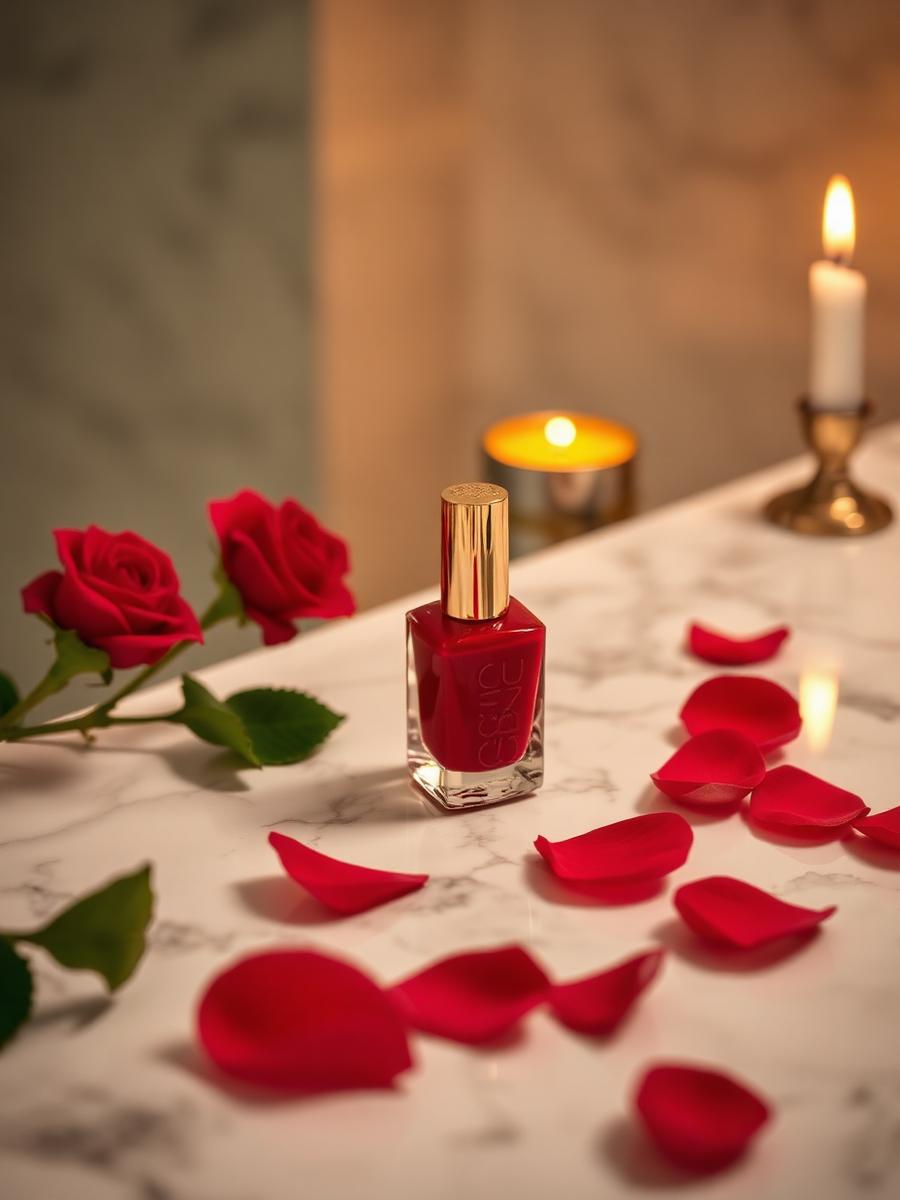
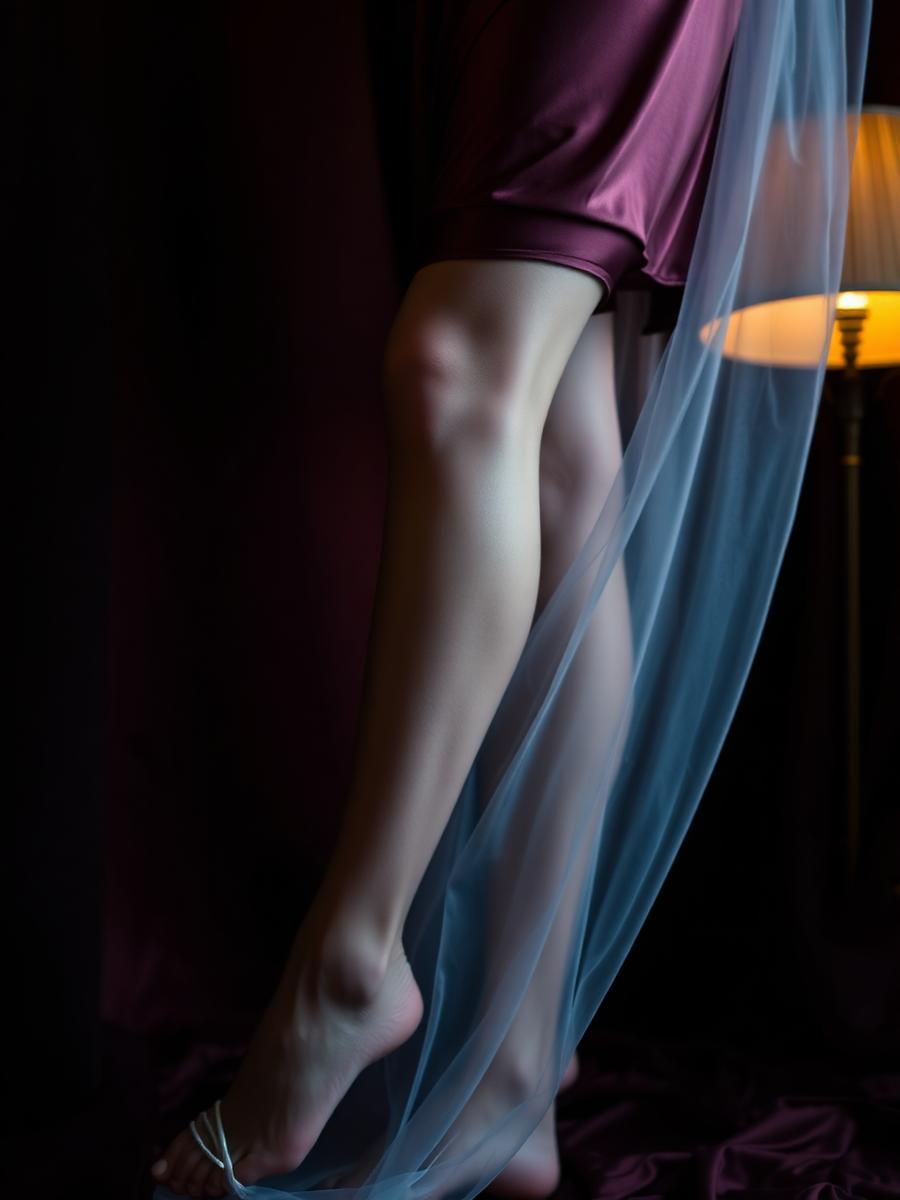
Watermark-free previews, published without metadata.
Questions readers ask
- How do I photograph feet in winter without dry skin showing?
- Start a nightly urea cream and cotton socks routine two weeks before the session, file heels only lightly once a week, and apply a very thin film of oil on the instep only, twenty minutes before shooting.
- What white balance should I use for firelight feet pictures?
- Set it manually around 3200K, or shoot RAW and correct using the nail lacquer as a colour reference. Never mix firelight with an overhead LED in the same frame.
- Which nail colours photograph best in winter?
- Deep burgundy, oxblood, black cherry and mushroom nude. They hold their tone under warm low-temperature light, where corals and pastels shift.
See more of Eva
Discover Eva's private collection
18+ — My private spaces are reserved for adults. The public part of this site contains no nudity and no sexually explicit content.
By Eva
Eva, 38, secretary, petite and naturally feminine. Passionate about refined pedicures, high heels, nylon and tasteful photography. Personal attention, custom content and a discreet private journey.
About EvaContinue reading
The private letter
One letter a month: a new story, a behind-the-scenes note and one photograph that never appears on the site.
Adults only. No spam, no sharing of your address, one click to unsubscribe.