Travel & Lifestyle
Traveling in Heels: Photographing Feet Around the World
By Eva · Published 7 September 2026 · Updated 7 September 2026 · 6 min read
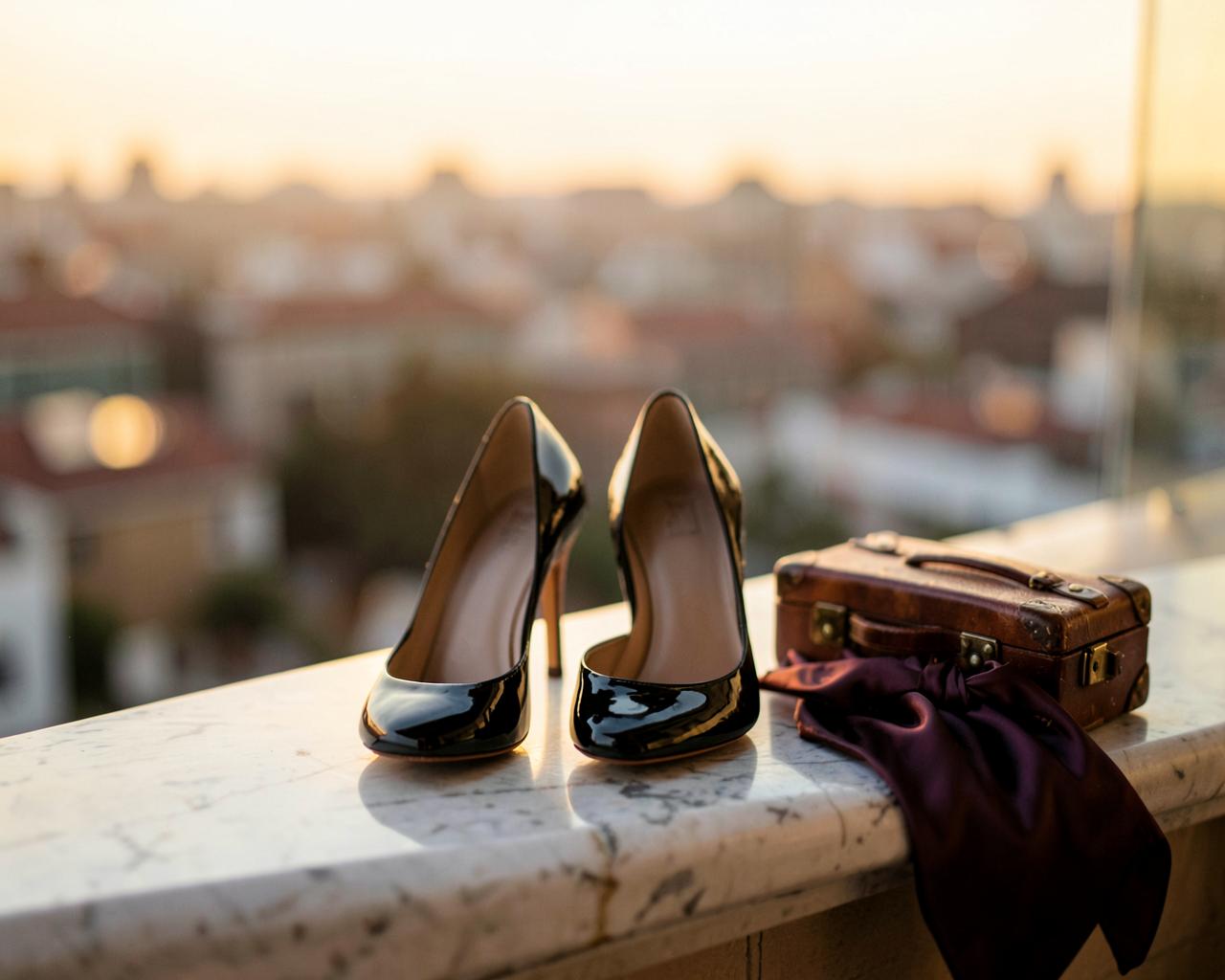
Some of the frames readers ask about most were taken in hotel rooms I stayed in for two nights, with the light I found rather than the light I wanted. Travel strips photography down to its essentials: one or two pairs of heels, one camera, one window, and the strange gift of a room that is not yours. This is how I travel for this journal — what goes in the suitcase, how I read a room I have never seen before, why balconies are worth the price difference, and what a new city does to the way a foot catches light.
The capsule kit: what actually goes in the suitcase
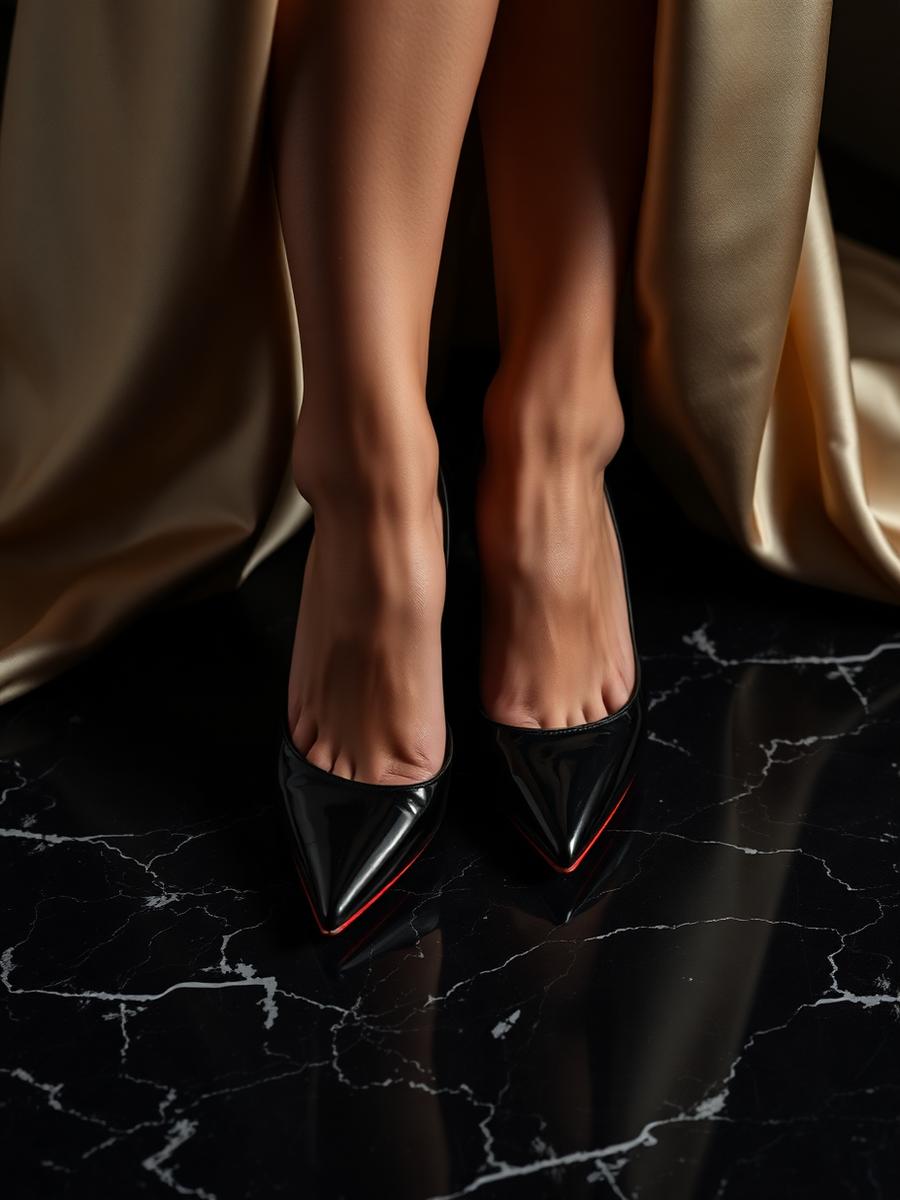
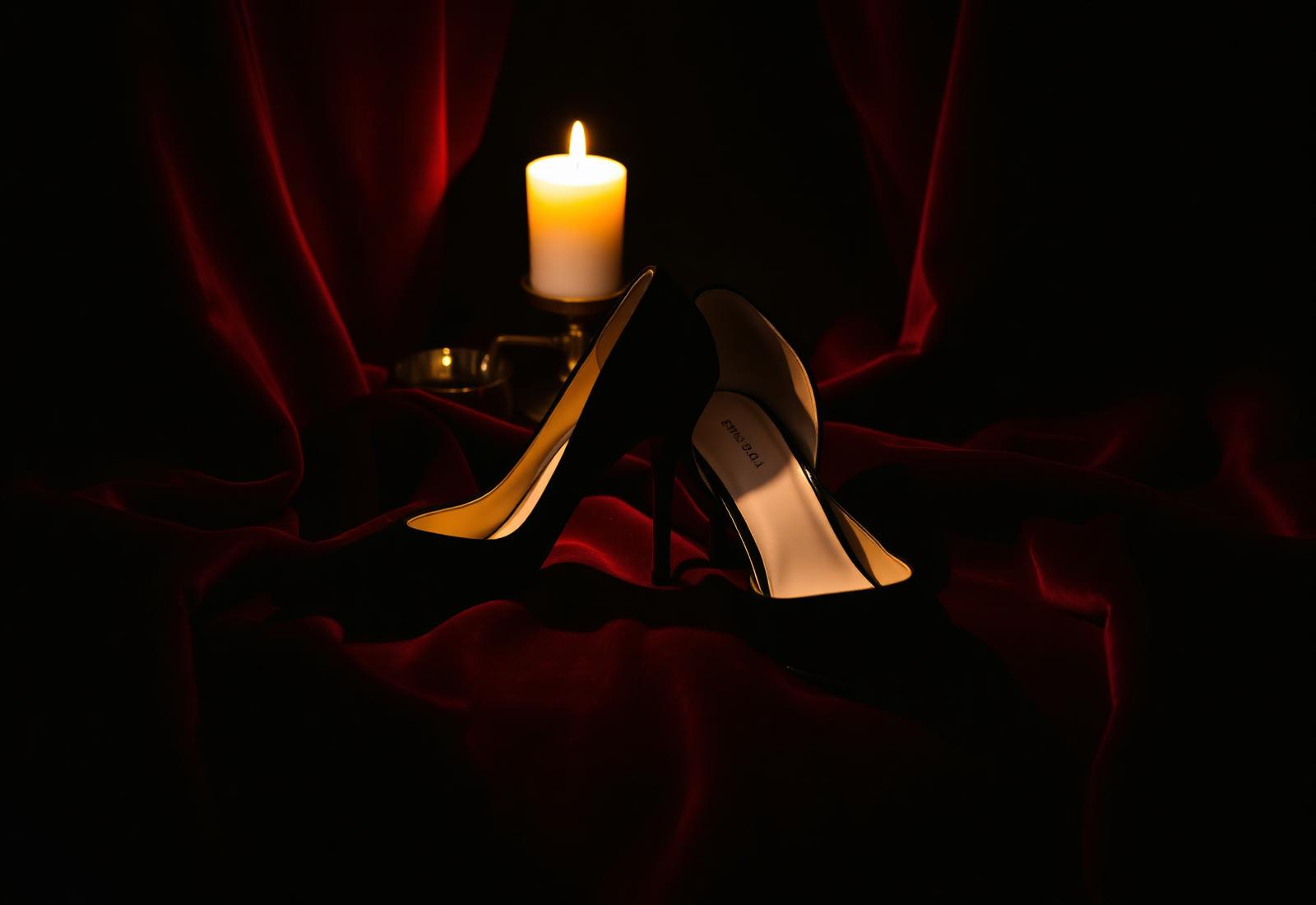
Two pairs of heels, never three. One black patent pump with a pointed toe — it reads against any floor, any curtain, any light — and one strappy sandal in a metallic or deep red for evenings and warm stone. A third pair always feels justified at home and always comes home unworn. Shoes travel in cloth bags at the bottom of the case, stuffed with the week's stockings so nothing creases and nothing scuffs.
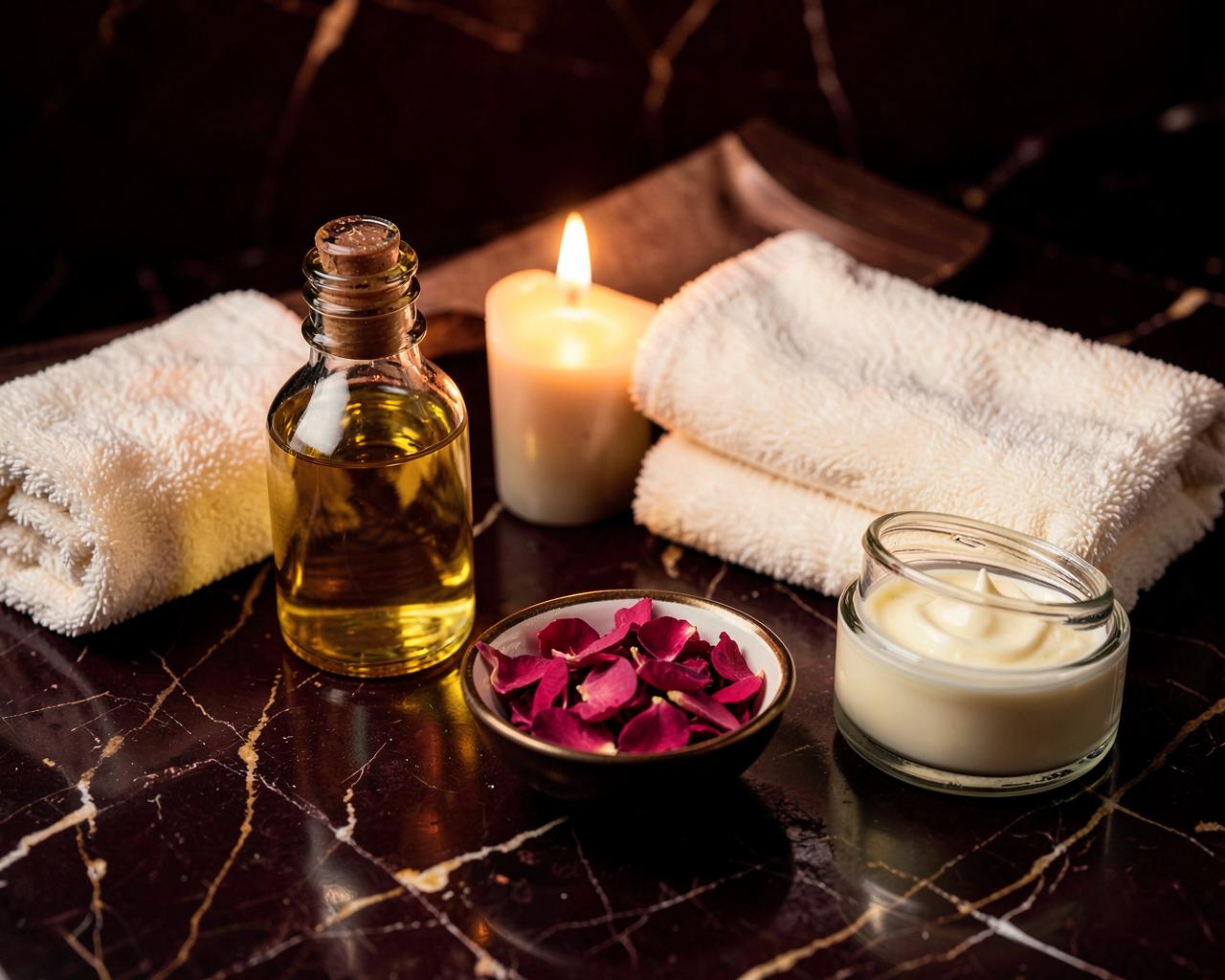
Then the small things that matter more than the shoes: a fold of ivory satin for improvised backgrounds, a glass nail file, the small bottle of almond oil, blister care I never need because I never skip it, and a lacquer pen in the shade I am wearing that week for touch-ups. The whole kit, camera included, fits in a carry-on. If it does not fit in a carry-on, it does not come — a bag checked is a session risked.
The camera stays simple on purpose. One body, one fast prime around fifty millimetres, no tripod — hotel furniture does the tripod's job. Travelling light is not a sacrifice here; it is the method. Fewer choices in an unfamiliar room means more attention for the one thing the frame is about.
Reading a room you have never seen before
The first ten minutes in any hotel room are a survey. I open every curtain and blind and watch where the light falls at that hour, then I note where it will fall at seven the next morning. The bed is almost never the best surface; the best surface is usually the floor by the window, the marble of the bathroom threshold, or the arm of a chair near a lamp with a warm bulb.
Lamps matter more than décor. Hotel ceiling lights are the enemy — flat, cold, and impossible to switch off selectively. I unscrew nothing but I unplug freely: two warm bedside lamps at forty-five degrees do more for an arch of foot than any ceiling fixture ever will. The mini-bar mirror, the dark lacquered desk, the chrome of a luggage rack — every room hides two or three reflective surfaces that can double a leg or a heel line if you shoot low.
I photograph the room empty before I am in it. A test frame of the window light on the sheets tells me exposure and mood in one look, and it is often the frame I keep for the opening of a series. The room is the co-author of every travel photograph; ignoring it shows.
The balcony hour
I book balconies the way other travellers book views, and I pay the difference without hesitation. The balcony gives three things no interior can: natural light at eye level, a floor of stone or tile with real texture, and a horizon to blur behind a pointed toe. An hour before sunset — the balcony hour — a bare instep against warm marble photographs like something painted.
The discipline is restraint. On a balcony the city is the backdrop, not the subject, and it stays soft and out of focus. Shoes resting on the ledge, a heel hooked over a chair rung, toes against cool glass in the early morning — the frames are quiet on purpose. Nothing about them needs to announce where in the world they were taken; the light does that by itself.
Mornings are underrated on balconies. Before the street wakes, the light is flat and pearl-grey and extraordinarily kind to skin and to nylon. Some of my favourite images in this journal are ten-minute sessions in a hotel robe before breakfast, on balconies I will never see again.
What a new city does to the picture
Light is local. The dry gold of a southern evening, the silver of a northern harbour morning, the dense warm gloom of an old-town room at noon — each one renders the same foot, the same shoe, the same lacquer as a different image. This is the real reason to travel with a camera: not the backdrops, but the palette. A shade of red polish that photographs as garnet in Brussels reads almost black in Mediterranean light, and vice versa.
Surfaces are local too. Terrazzo stairs, worn parquet, riad tiles, the rubberised deck of a night ferry — the journal's travel frames are a quiet catalogue of floors. A pointed heel on century-old hexagonal tile says something no studio floor can say, and the viewer feels it without naming it.
And something less tangible changes as well: the posture of the photographer. In an unfamiliar city I look more carefully, walk more slowly, and notice reflections I would miss at home. That attention is visible in the frames. The best travel souvenir this journal produces is not a photograph of a place — it is a photograph taken in the state of mind that only a new place induces.
Practical grace: feet, flights and walking cities
Travel is hard on feet and the journal is honest about it. Flights swell them, cobblestones punish them, museum days exhaust them. I schedule around all three: no shooting within twelve hours of a long flight, walking shoes for the day's kilometres with heels carried in a tote for the one frame I planned, and the elevation-and-oil recovery routine every single evening without exception.
The tote trick deserves its own sentence because it changed how I shoot abroad. Heels in a tote, camera on the shoulder, comfortable flats on the feet — I arrive at a staircase or a cloister or a quiet square, sit on a step, change shoes, take the frame in five minutes, and change back. Nobody looks twice at a woman changing her shoes; everybody looks at a woman posing. Speed is the privacy.
Finally, the unglamorous truth: half of a good travel session is sleep. Tired feet are visibly tired on camera — colour wrong, tendons corded, poses held badly. The itinerary always protects the morning after a late dinner, because the balcony at seven in the morning is worth more than any landmark I might rush to instead.
Detail plates
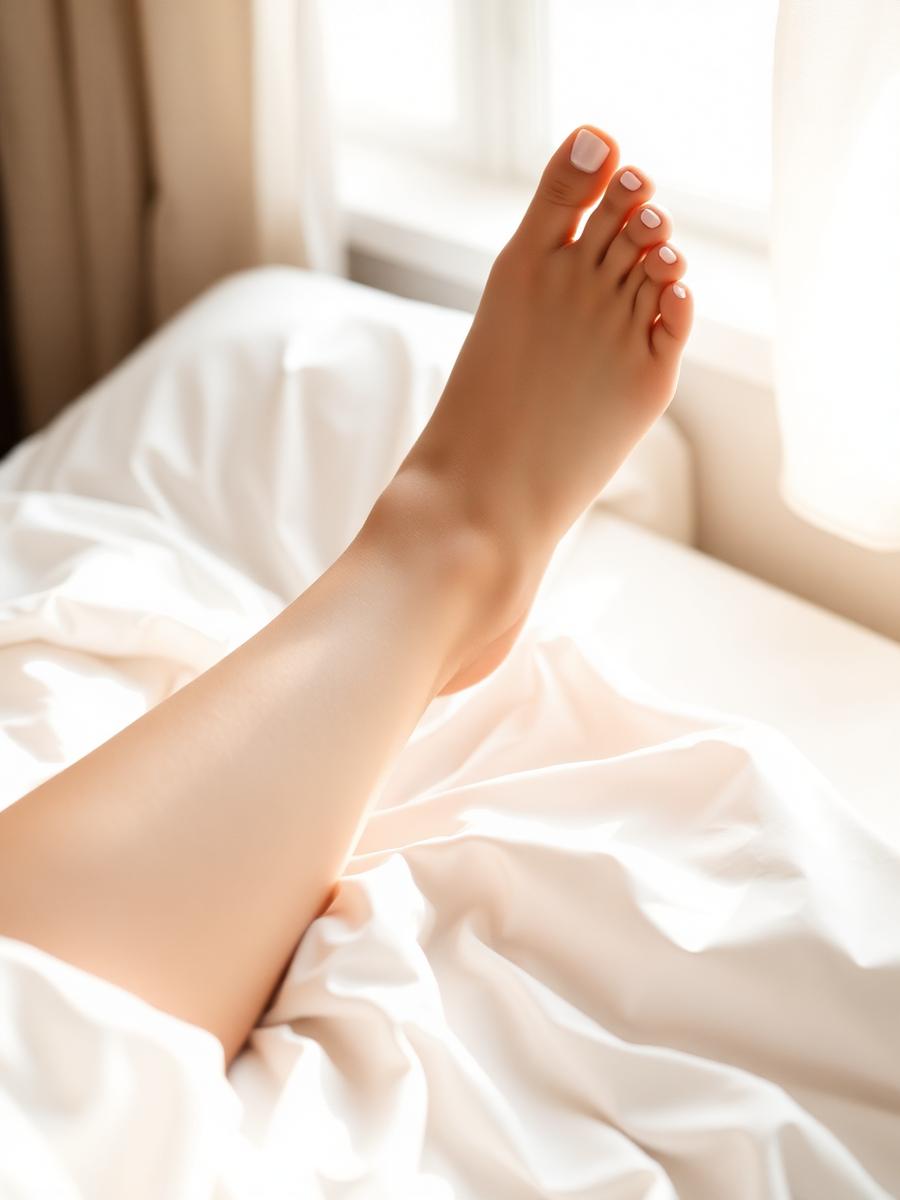
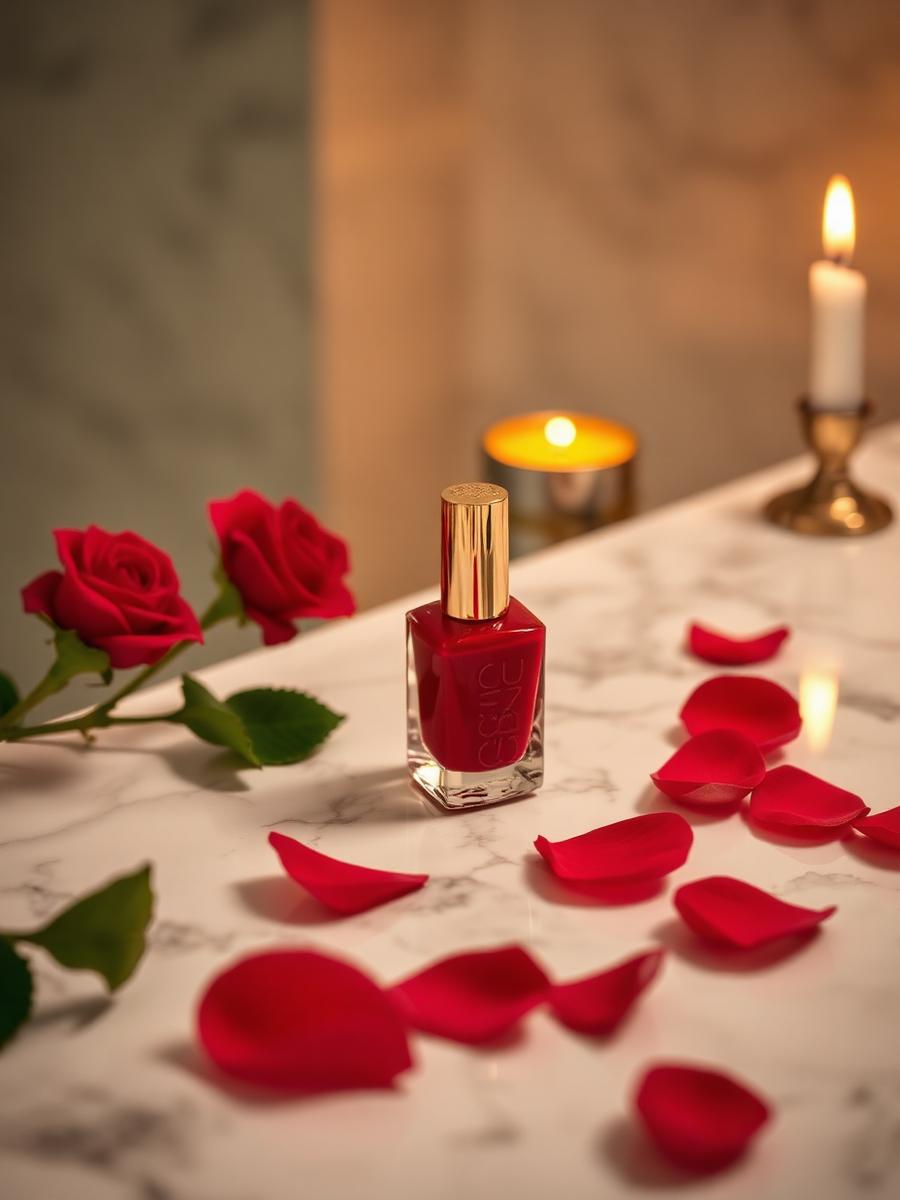
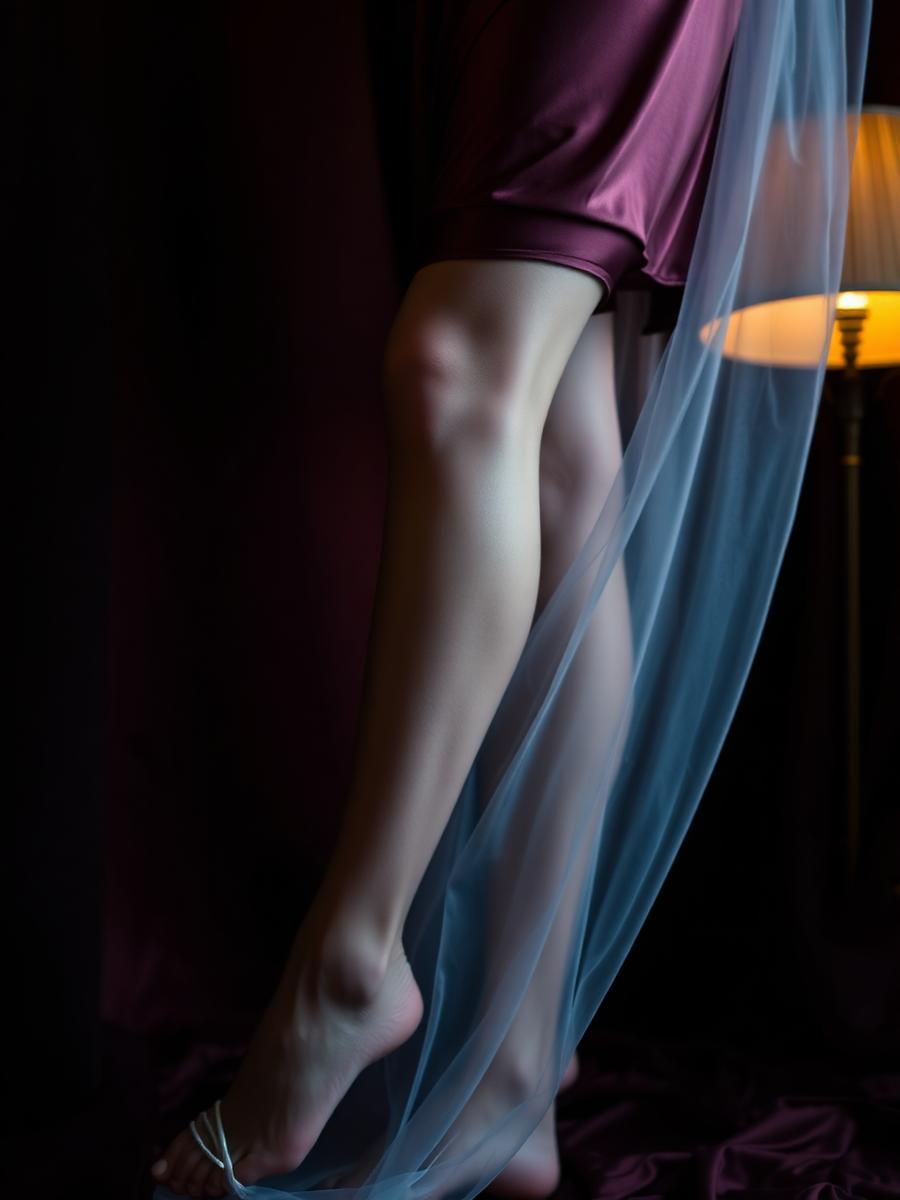
Watermark-free previews, published without metadata.
Questions readers ask
- How many pairs of heels do you travel with?
- Two, always: one black patent pump that works against any background, and one strappy sandal for evenings and warm stone. They travel in cloth bags stuffed with stockings, in a carry-on.
- How do you photograph in a hotel without drawing attention?
- Work indoors with warm bedside lamps, shoot early in the morning, and keep sessions short. On location, carry heels in a tote and change shoes on a step — five quiet minutes per frame.
- When is the best light for travel feet photography?
- The hour before sunset on a balcony for warmth and texture, and early morning for the flat pearl-grey light that is kindest to skin and nylon.
See more of Eva
Discover Eva's private collection
18+ — My private spaces are reserved for adults. The public part of this site contains no nudity and no sexually explicit content.
By Eva
Eva, 38, secretary, petite and naturally feminine. Passionate about refined pedicures, high heels, nylon and tasteful photography. Personal attention, custom content and a discreet private journey.
About EvaContinue reading
The private letter
One letter a month: a new story, a behind-the-scenes note and one photograph that never appears on the site.
Adults only. No spam, no sharing of your address, one click to unsubscribe.