High Heels
Why High Heels Make Feet Look So Elegant
By Eva · Published 15 July 2026 · Updated 8 August 2026 · 5 min read
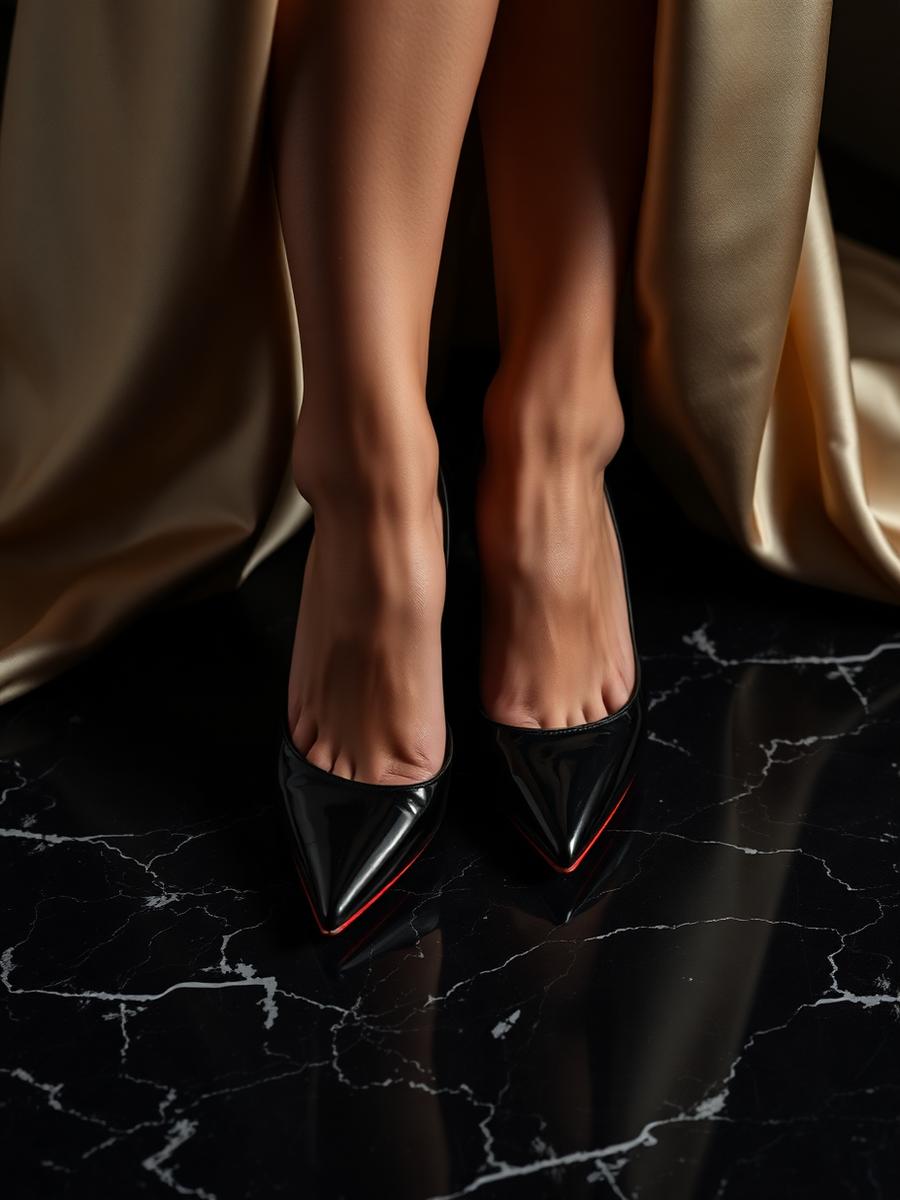
There is a reason the heel has survived five centuries of changing fashion while almost every other silhouette has been abandoned. A heel is not decoration; it is a device that rebuilds the geometry of the leg and the foot in a single step. Understanding exactly what it does — to the arch, to the calf, to the way weight travels through the body — is what allows you to photograph feet in high heels so they keep their line instead of collapsing into a shoe advertisement.
What does a heel actually change?
Raising the heel tilts the foot forward, which extends the arch into a continuous curve from knee to toe. The instep becomes a visible line rather than a flat plane. That single unbroken line is what the eye reads as elegance, in a photograph and in a room.
The calf contracts and shortens, which raises the muscle and narrows the ankle by contrast. The pelvis tilts slightly, the stride shortens, and movement becomes more deliberate. Elegance, in practice, is very often just slowness made visible.
The higher the heel, the more the weight moves to the ball of the foot — which is also why a beautiful shoe is rarely a comfortable one, and why I photograph in heels far longer than I ever walk in them.
Which heels photograph best?
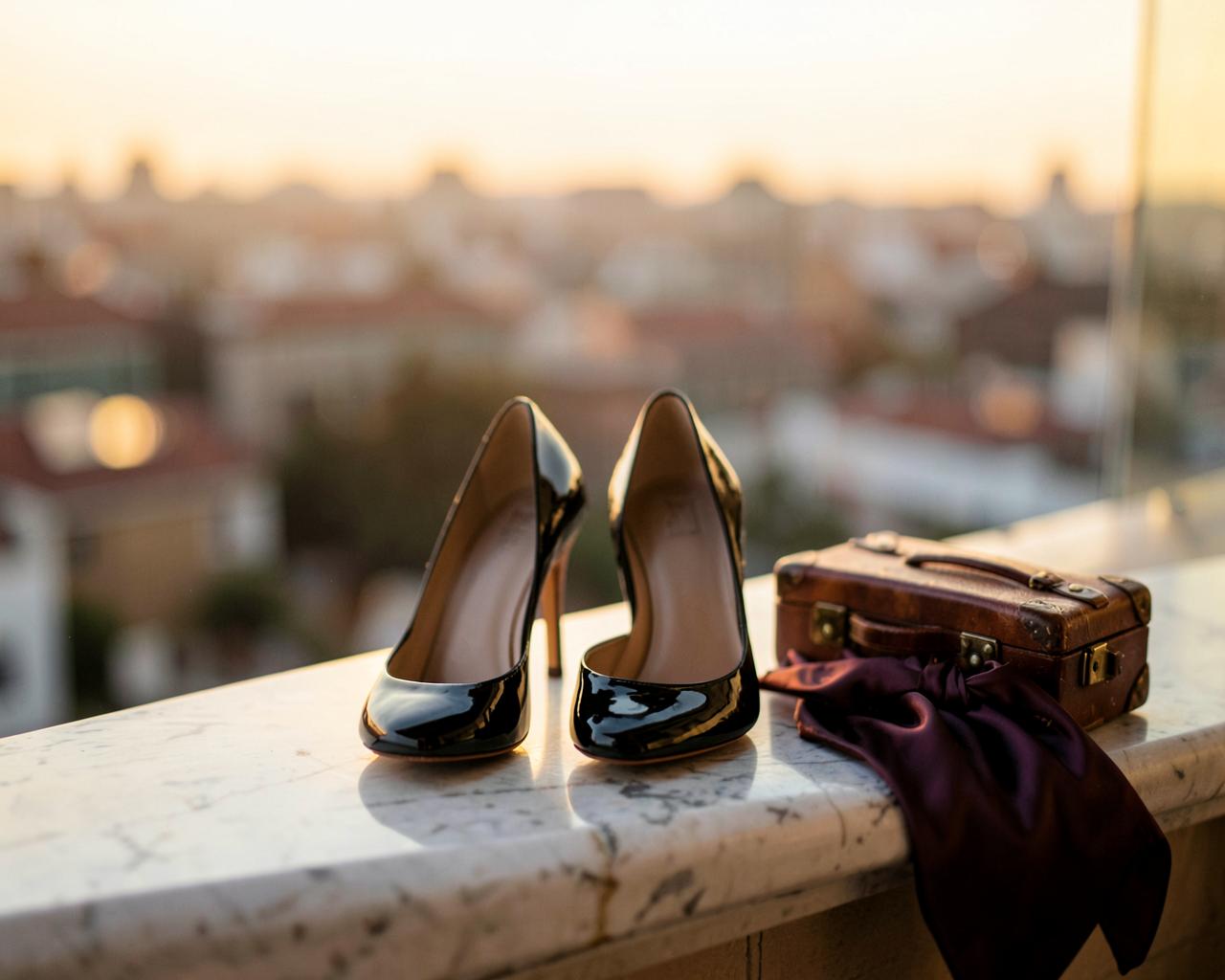
A pointed toe extends the visual length of the foot more than any other single factor. A low-cut vamp — the edge of the shoe sitting below the base of the toes — exposes the instep and lengthens the line further. Together they do most of the work.
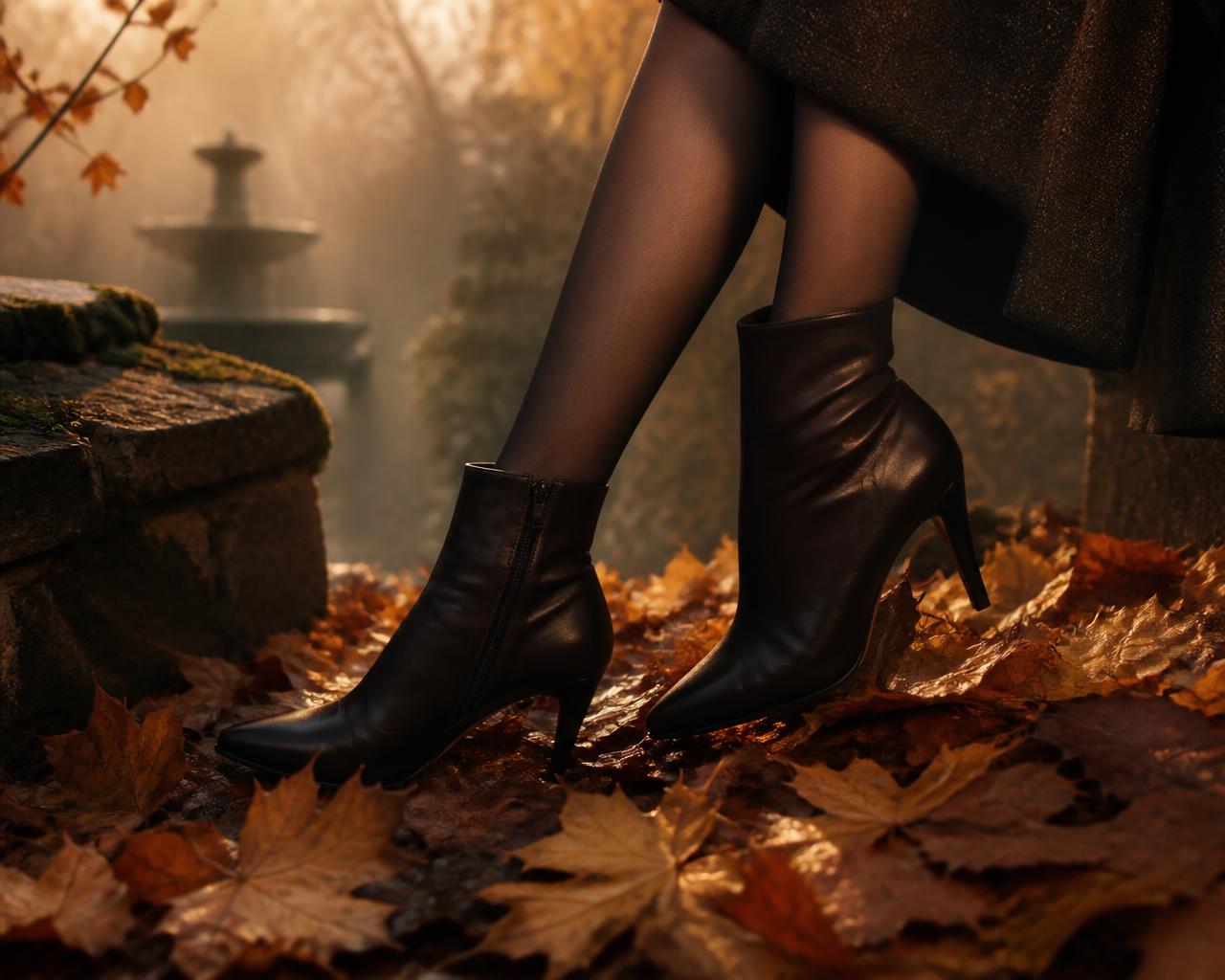
Thin stiletto heels read as a drawn line; block heels read as architecture. Both are photogenic, but they demand different backgrounds: stilettos want reflection and emptiness, block heels want texture and grain.
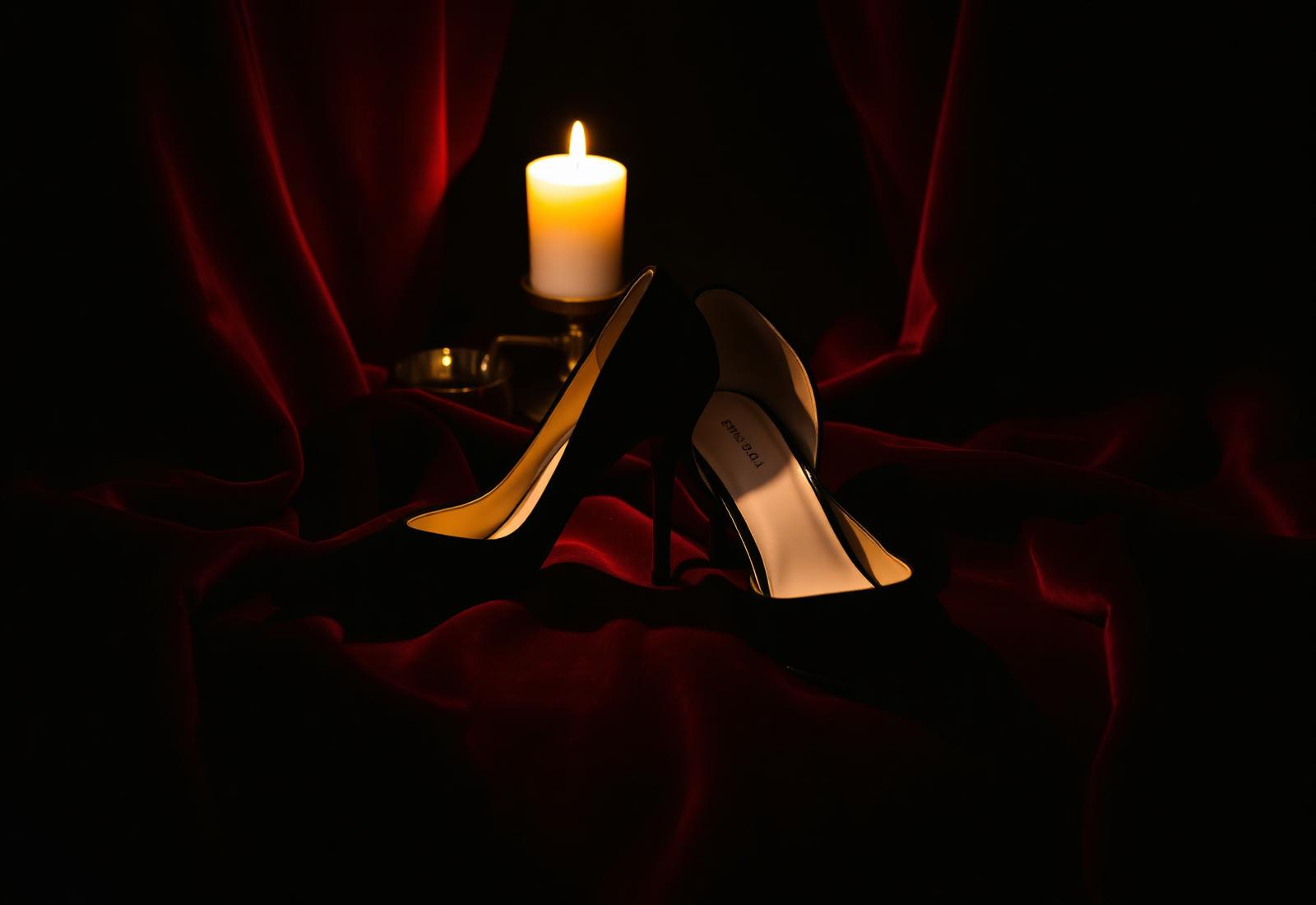
Patent leather gives you one sharp highlight and hard contrast; suede absorbs light and requires a brighter setup. Red soles, ankle straps and metallic caps are punctuation — one per image, never all three.
How to photograph a heel without losing the foot
Keep the camera low and slightly behind the heel so the shoe and the arch align into one continuous shape. Shooting from the front flattens both.
Stand with one foot forward and the other turned out by roughly thirty degrees. The asymmetry is what stops the frame from looking like a product photograph.
The most interesting moment is almost never the shoe fully worn. It is the shoe half-removed: heel lifted out, toes still inside, the arch at full tension. That frame carries more suggestion than anything explicit could.
A short history, because it explains the fascination
Heels began as riding equipment in Persia, arrived in Europe as a male aristocratic marker in the seventeenth century, and only became a coded feminine object in the nineteenth. Their charge has always been about status, restriction and display in equal measure.
That inheritance is exactly why a photograph of feet in high heels reads as more than footwear. It carries several centuries of association: ceremony, constraint, luxury and the promise of removal. A photographer who understands that history composes very differently from one who does not.
Detail plates
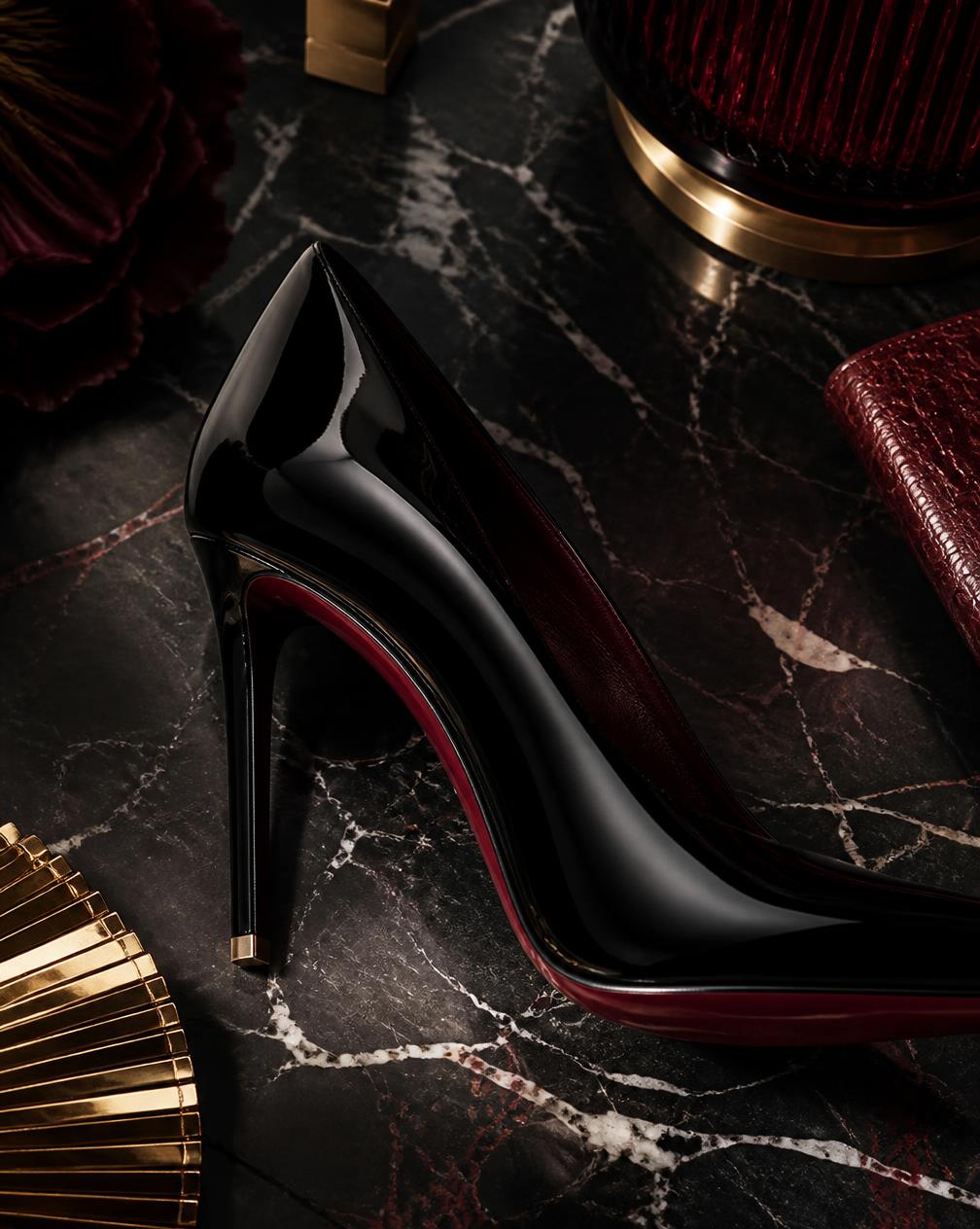
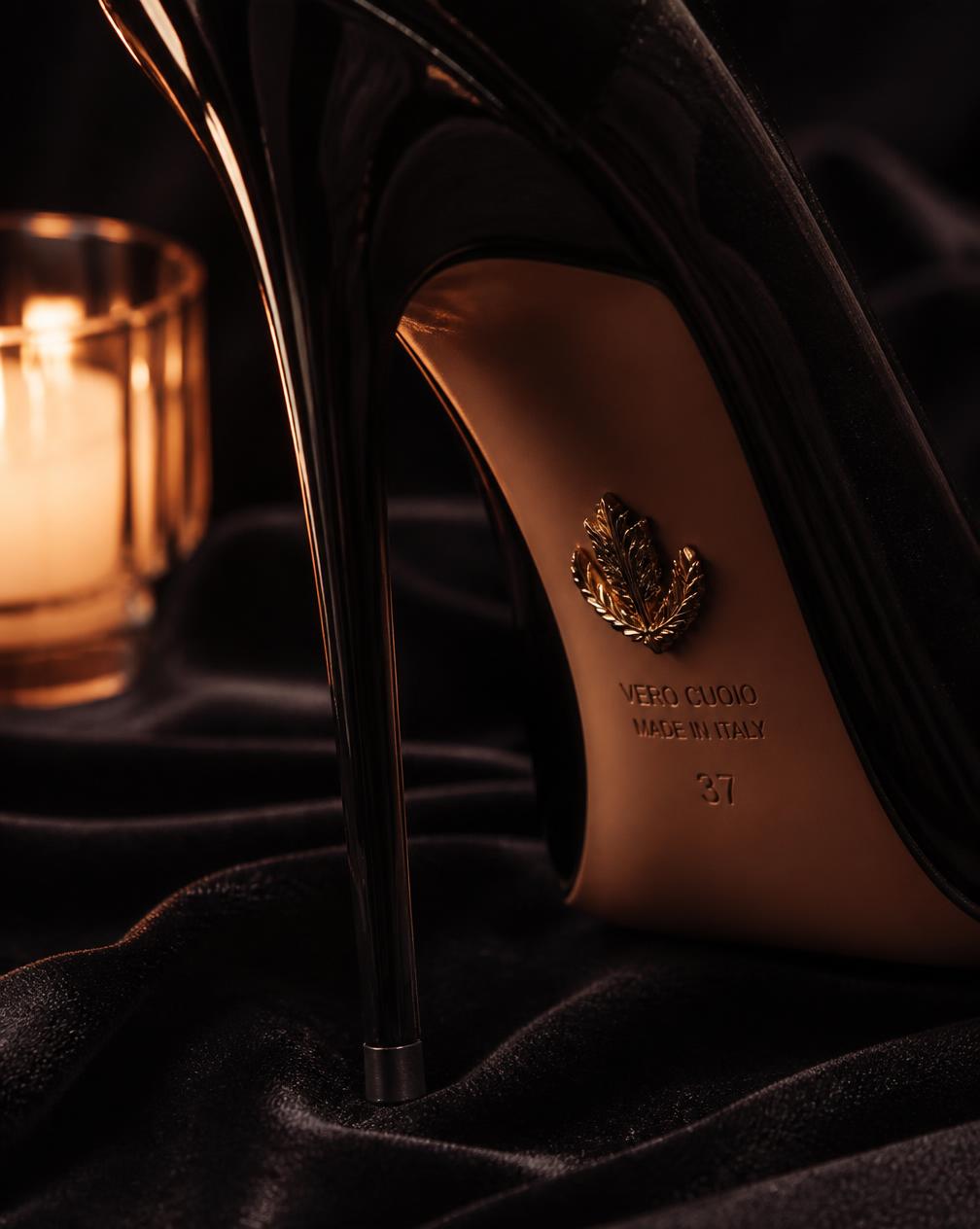
Watermark-free previews, published without metadata.
Questions readers ask
- What heel height is most flattering in photographs?
- Between eight and ten centimetres with a pointed toe. Higher heels can distort the ankle, lower ones lose the continuous arch line.
- Why do heels make legs look longer?
- They extend the foot into the line of the leg and contract the calf, so the eye reads one uninterrupted vertical instead of two separate shapes.
- Can you photograph heels without showing the whole body?
- Yes, and it is usually stronger. A cropped frame at ankle and instep keeps attention on the geometry.
See more of Eva
Discover Eva's private collection
18+ — My private spaces are reserved for adults. The public part of this site contains no nudity and no sexually explicit content.
By Eva
Eva, 38, secretary, petite and naturally feminine. Passionate about refined pedicures, high heels, nylon and tasteful photography. Personal attention, custom content and a discreet private journey.
About EvaContinue reading
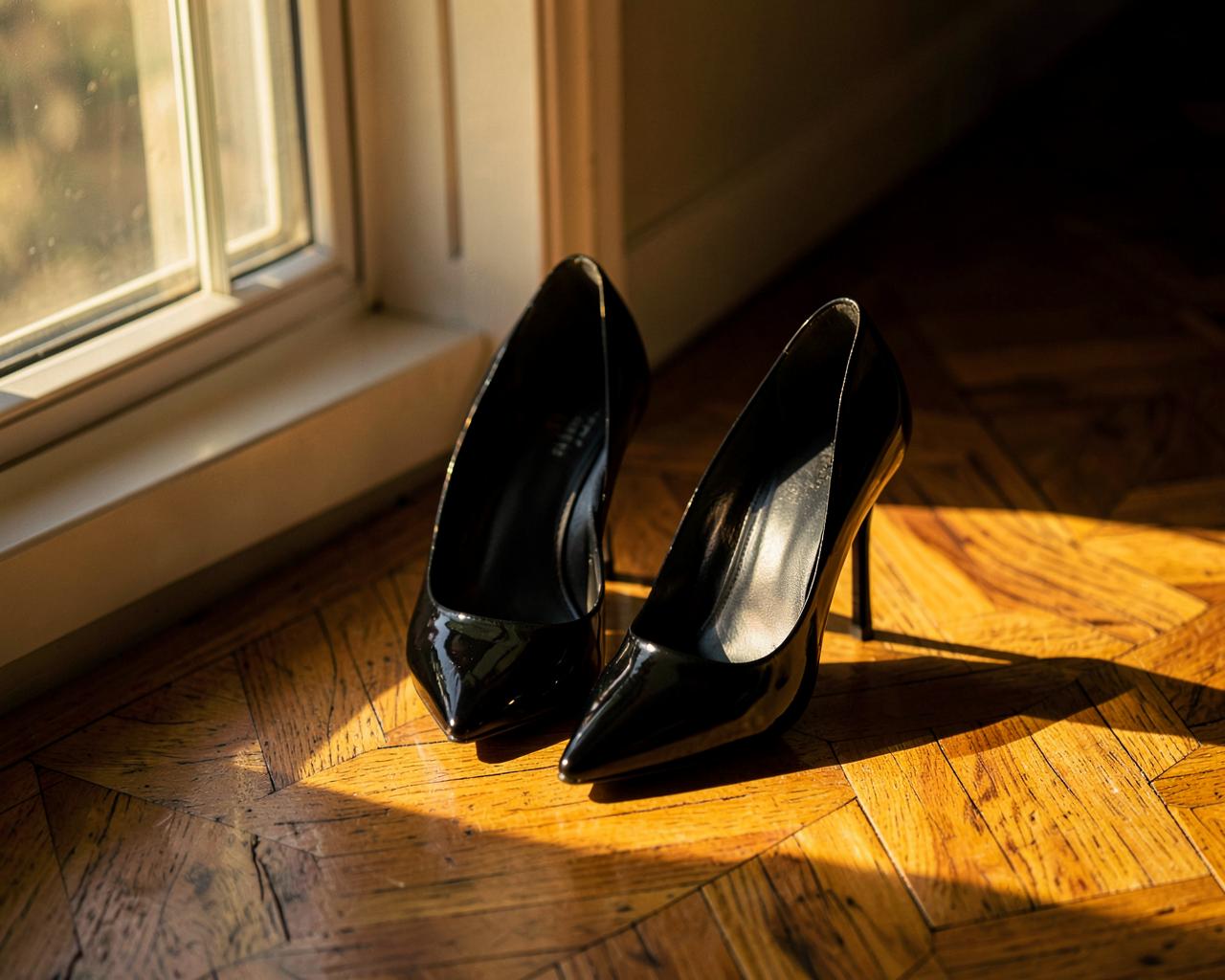
The private letter
One letter a month: a new story, a behind-the-scenes note and one photograph that never appears on the site.
Adults only. No spam, no sharing of your address, one click to unsubscribe.