Beautiful Soles
Barefoot Elegance: The Language of Uncovered Feet
By Eva · Published 3 September 2026 · Updated 5 September 2026 · 6 min read
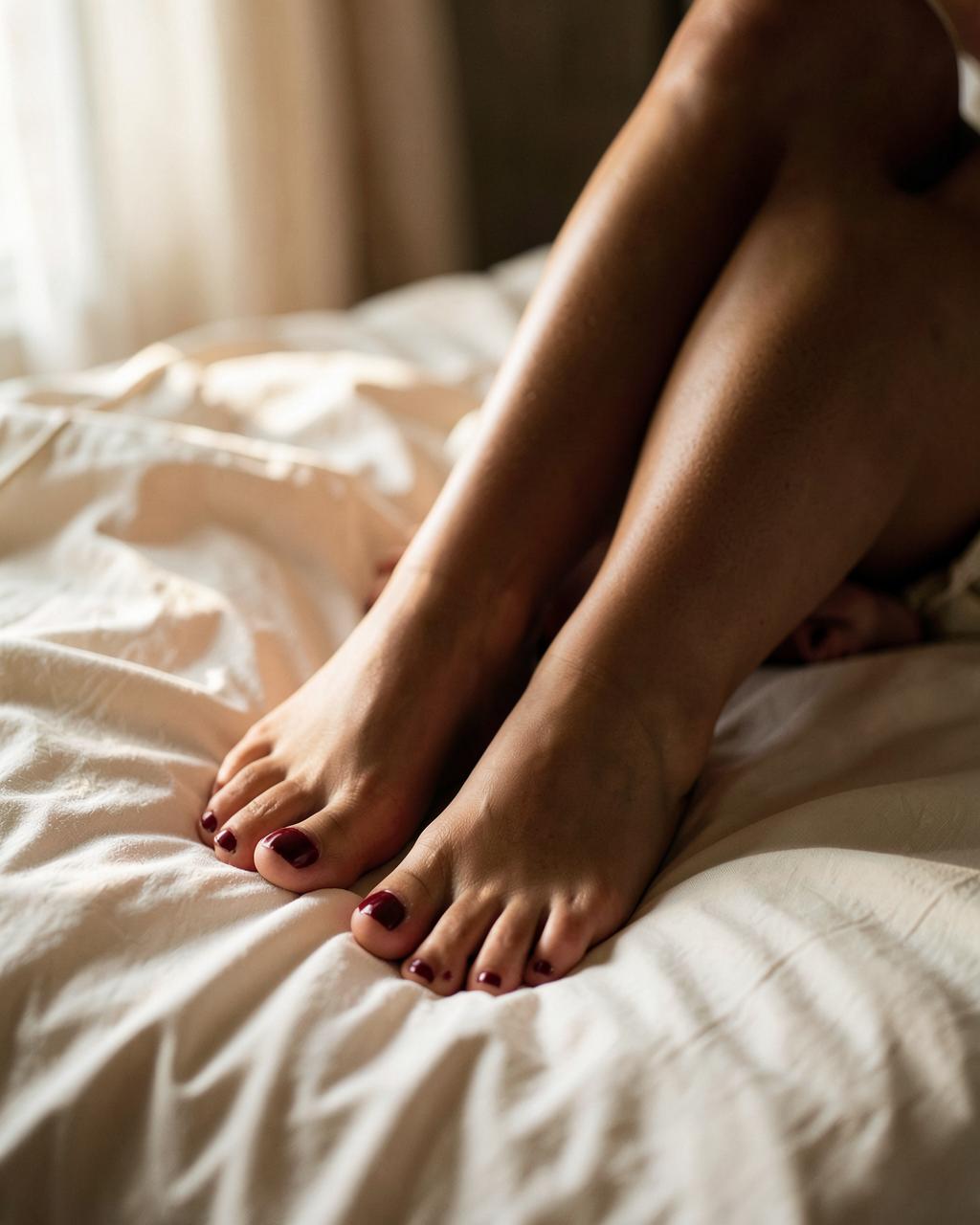
A shoe is an argument. A stocking is a veil. A bare foot is neither — it arrives with no styling to hide behind, and that is exactly why it is the hardest photograph I make and the one readers return to most. Barefoot work has no props to carry a weak frame: the arch has to do the composition, the toes have to do the punctuation, and the light has to do everything else. This story is about what a bare foot actually says on camera, why it reads as intimacy rather than exposure, and the small technical decisions that separate a photograph from an accident.
Why the bare foot is the honest frame
Dressed work — heels, nylon, jewellery — gives the eye somewhere to land before it reaches the body. Remove all of it and the photograph becomes a study of a single form under a single light. Nothing distracts, so nothing forgives. A tense tendon, a badly cropped ankle or a hard shadow that flattens the instep is immediately visible, because there is no patent leather reflection to look at instead.
That exposure is also the appeal. Readers describe barefoot images as more intimate than my nylon or stiletto series, and I think the reason is structural rather than erotic: a bare foot looks unstaged, so the viewer feels admitted rather than performed at. Intimacy, in photography, is mostly the absence of visible effort.
Which is a useful illusion, because a barefoot frame takes more preparation than a heeled one, not less. Everything the shoe used to hide — heel texture, toe alignment, nail shape, the small crease at the ball of the foot — is now part of the composition.
The line: arch, instep, and where the eye enters
A bare foot has one dominant line running from the ankle over the instep to the tip of the longest toe, and the entire photograph is decided by how cleanly that line reads. I set it before I think about anything else: point the toes until the instep domes, then release about ten percent so the tendons soften and the skin stays smooth rather than corded.
The eye enters a barefoot frame at the ankle and travels toward the toes, so the ankle needs air around it. A crop that begins mid-calf gives the line somewhere to come from; a crop that begins at the ankle bone amputates the movement and the image feels stopped. When in doubt, include more leg than you think you need and crop later.
The second foot is the quiet half of the composition. Overlapping the feet — one instep resting across the other ankle — creates depth and hides the flat outer edge that photographs poorly head-on. Two feet placed symmetrically side by side almost always read as a medical photograph, however good the light is.
Toes are punctuation, not detail
In a barefoot frame the toes end the sentence, so they carry more weight than in any dressed image. Spread them very slightly — a millimetre or two of separation — so light passes between them and they read as five distinct shapes rather than one block. Fully clenched toes look tense; fully splayed toes look posed. The interval is small and worth practising in front of a mirror before ever picking up a camera.
Nail length changes the whole line. Cut straight across, filed to a soft square, and finished just short of the toe tip: long nails lengthen the foot but photograph claw-like under side light, and very short nails make the toes look blunt. My default is a deep bordeaux or a clean nude, because both hold their shape at small sizes; pale pinks and pastels disappear into the skin tone and leave the toes shapeless.
A single point of gold — a thin anklet or a plain toe ring — gives the eye a place to rest without introducing a second subject. One accessory is elegant; three is a jewellery advertisement wearing a foot.
Morning light, linen, and warmth
Barefoot work is the one part of my journal that lives in daylight. Skin has subtle colour variation — warmer at the heel, cooler at the instep — and soft morning window light renders that gradient beautifully, where candlelight and hard lamps tend to flatten it into one tone. I shoot most of these frames within two hours of sunrise, curtain half-drawn, camera low.
Ivory linen is the surface that has carried more of these photographs than any other. It creases, and creases give scale and softness that marble and velvet cannot; it also bounces a little warm light back into the shadow side of the foot, which is why barefoot images on linen need almost no fill card. Bare skin against a hard graphic surface reads cold — that combination belongs to shoe photography.
Keep the palette narrow. Warm skin, ivory cloth, one saturated accent from the lacquer. Introducing a colourful throw or a patterned sheet is the fastest way to turn an intimate frame into a domestic snapshot.
Restraint: what stays outside the frame
Bare does not mean unlimited, and the discipline of this journal is that suggestion outperforms exposure every time. My barefoot frames end at the knee or the thigh, they never travel further, and that boundary is not a compromise — it is what keeps the attention on the foot as a form rather than as an inventory.
Editing stays as light here as everywhere else: contrast, a warm split-tone, dust removal, and nothing that smooths skin. A bare foot with no visible texture reads as rendered rather than photographed, and that instantly kills the intimacy the frame was built for.
Every file is stripped of EXIF data before publication, and public previews stay at low resolution with a discreet watermark. The full barefoot sets, the higher resolutions and the personal requests live in my private adult spaces, which is a separation I keep deliberately clear.
Detail plates
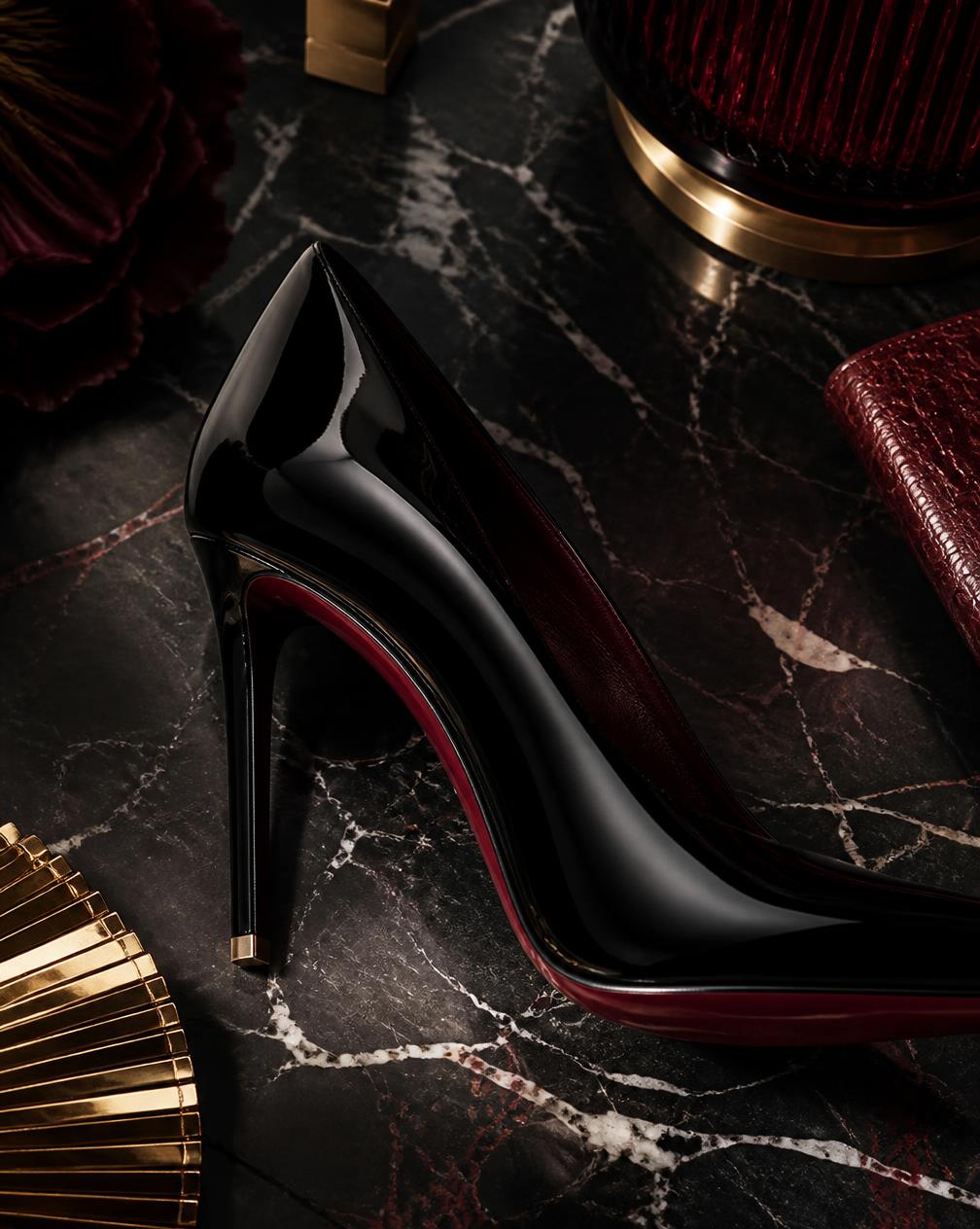
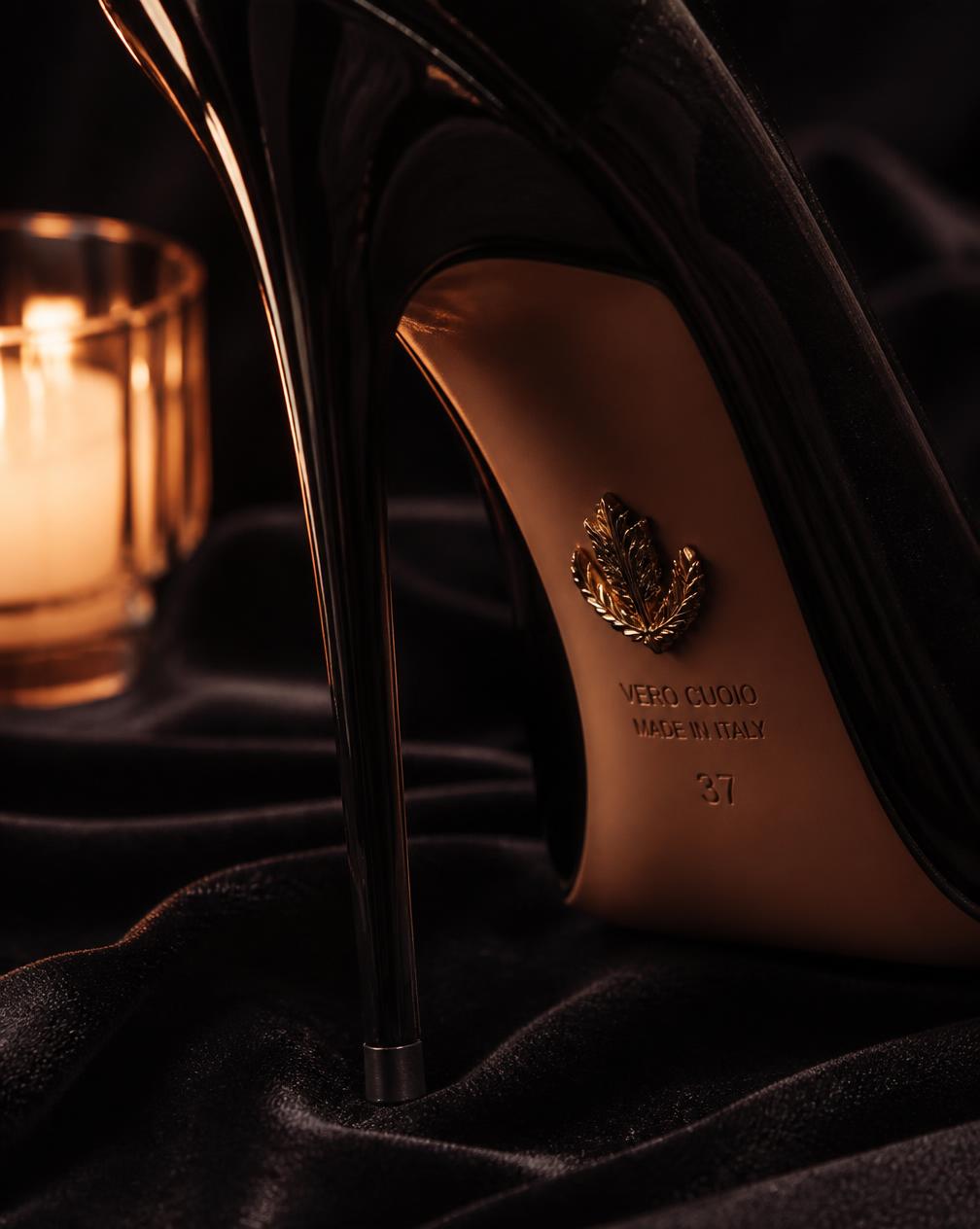
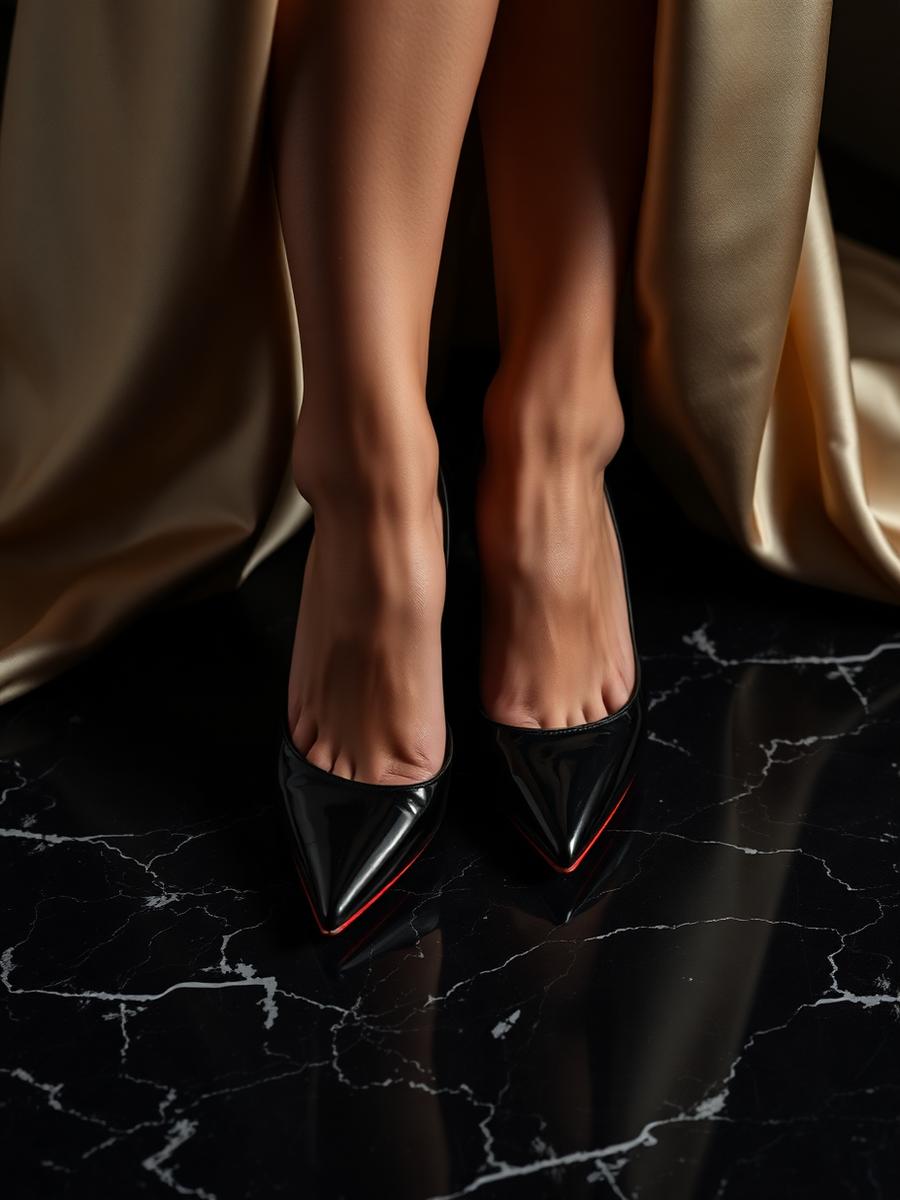
Watermark-free previews, published without metadata.
Questions readers ask
- Why do bare feet photograph better in morning light?
- Soft daylight preserves the natural colour gradient of skin — warmer at the heel, cooler at the instep. Hard lamps and candlelight flatten that variation into a single tone.
- How should toes be positioned in a barefoot photograph?
- Separated by a millimetre or two so light passes between them, and never fully clenched or splayed. That small interval is what makes them read as five distinct shapes.
- Is barefoot photography more revealing than heeled or nylon work?
- It feels more intimate but it is not more explicit. Everything on this journal is suggestive and non-explicit; my frames end at the knee or thigh by choice.
See more of Eva
Discover Eva's private collection
18+ — My private spaces are reserved for adults. The public part of this site contains no nudity and no sexually explicit content.
By Eva
Eva, 38, secretary, petite and naturally feminine. Passionate about refined pedicures, high heels, nylon and tasteful photography. Personal attention, custom content and a discreet private journey.
About EvaContinue reading
The private letter
One letter a month: a new story, a behind-the-scenes note and one photograph that never appears on the site.
Adults only. No spam, no sharing of your address, one click to unsubscribe.